




The Intelligence-Led Fractional CMO for Fintech, Fraud & Financial Data Companies

Your 2026 GTM Strategy. Built with You & Your Leadership Team.

Delivered by the former Chief Marketing & Products Officer of Equifax.

Fintech doesn’t slow down because of weak products.
It slows down because:

  • narratives lose investor trust
  • messaging gets commoditised
  • ICPs become too broad
  • cold markets don’t convert
  • GTM motions lack sequencing
  • differentiation becomes unclear

If your 2025 felt harder than it should, there is a reason.

Fintech GTM has changed.
Most teams haven’t.

$16,000 (£12,500), 100% Risk-Free. You get your complete fintech GTM strategy. If you don’t find it valuable, you don’t pay.

Serving Fintechs Across North America & EMEA.

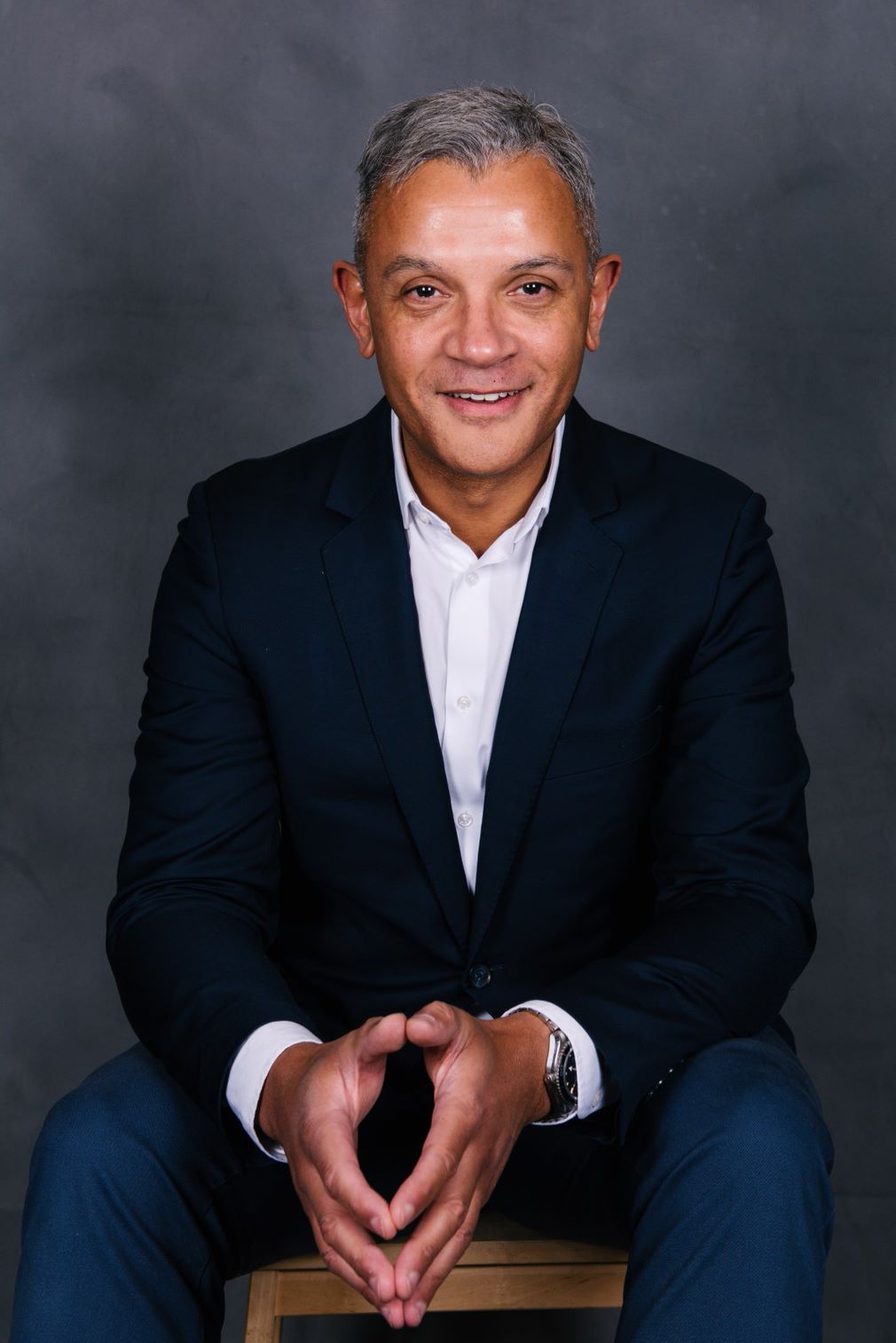
Michael Williamson
$30 Billion in Tech Solutions Sold Across 100+ Countries
30+ Tech Companies Transformed
Average 35% Pipeline Growth Within 4 Months

A Different Kind of Fractional CMO

I’m Michael Williamson, fractional CMO and GTM strategist for B2B technology firms:

Fintech leadership teams trust me because I speak both languages:

technology and commercial outcomes.

And for the first time, I’m offering a 100% Risk Free Offer designed specifically for fintech CEOs who want clarity, differentiation, and revenue momentum in 2026.

Michael Williamson
Michael Williamson
Vodafone Logo
Symantec logo
Equifax Logo
Telefónica Logo
Business consulting team

THE $16,000 APPLIED FINTECH GTM STRATEGY

(approximately £12,500)

A complete GTM strategy for 2026 —built with you & your leadership team, not thrown over a wall.

You get:

You get a world-class fintech GTM strategy without the cost or commitment of hiring a full-time CMO.

How We Build Your Fintech GTM Strategy

(Not a deck. Not a template. A leadership-embedded process built for financial services buyers.)

Here’s what I learned at Equifax:

Banks don’t buy technology.

They buy trust.

And trust isn’t built by product demos.

It’s built by commercial narratives that satisfy everyone in the buying committee—risk, compliance, commercial, and IT—without losing clarity.

Most fintech GTM strategies fail because they’re built for investors.

Not for buyers.

The pitch that raised your Series A won’t close a Tier-1 bank.

VCs want vision. Banks want certainty.

This process is different.

I work directly with you and your leadership team across 8 structured stages.

Not to hand you a plan.

To build one with you—so everyone believes it, owns it, and executes it.

Because in fintech, misalignment doesn’t just cost deals.

It costs quarters.

Ready to Build Your GTM Strategy?

Let's work together to create a GTM strategy that your entire leadership team will own and execute.

The 8-Stage Process for Fintech Companies

Stage 1

Leadership Team Self-Assessment The Mirror

Every leader completes a confidential questionnaire.

Not ratings. Not scales.

Completion exercises that surface what people think but don’t say:

“Describe the regulatory landscape in one sentence that shows we understand it.”

“If a Tier-1 bank were to buy from us tomorrow, what would they need to believe?”

“What’s the average sales cycle for our top 5 deals? Why?”

We discover whether your team shares the same commercial reality—before we put them in the same room.

Stage 2

CEO Deep-Dive Interview The Confession

A 2-3 hour conversation. In person.

This is where fintech CEOs finally say the things they can’t say to investors:

“We’re burning runway but enterprise sales cycles are unpredictable.”

“Investors want growth. Banks want stability. How do I message both?”

“Our product is better. But incumbents have relationships we can’t break.”

Clarity begins when you stop performing for the board.

Stage 3

Leadership Workshop The Alignment

A full day with you and your leadership team.

Fintech companies have a unique dysfunction:

The investor narrative and the customer narrative are different stories. The compliance team says no before commercial says hello. Everyone knows the sales cycle is too long—no one agrees why.

We surface these fault lines. We resolve them. We leave with decisions—not intentions.

Stage 4

Competitor Intelligence Review The Battlefield

Your competitors aren’t just other fintechs.

They’re also the spreadsheets your prospects have been using for fifteen years.

We analyse:

→ Banking partnership announcements (who’s winning, and how they positioned to win) → Regulatory certification and compliance messaging → Integration ecosystem and API positioning → How competitors bridge the investor/customer narrative gap → Pricing structures and commercial terms that close enterprise deals

You’ll see your market the way procurement sees it.

Not the way your pitch deck describes it.

Stage 5

Prospect Voice Interviews The Truth

3-5 interviews with financial services buyers in your market.

We ask what your sales team can’t:

“Walk me through your vendor approval process—who has to say yes?”

“What did the compliance team ask about in your last fintech evaluation?”

“What would make your risk committee comfortable?”

Your buyers will tell you exactly how to navigate their institution.

Most fintechs never ask.

Stage 6

Synthesis & Draft Plan The Architecture

Company insights. Competitive intelligence. Buyer truth.

We synthesise everything into a complete fintech GTM strategy:

→ ICP segmentation (bank tier, buyer persona, regulatory readiness—sequenced correctly) → Positioning that works for risk, compliance, and commercial buyers → Messaging architecture that satisfies the whole committee → GTM motions: enterprise outbound, ABM, partnership strategies, land-and-expand models → 12-month commercial roadmap

This isn’t a report.

It’s the commercial engine that turns long sales cycles into closed deals.

Stage 7

80% Draft Review The Stress Test

We present the strategy as deliberately incomplete.

Why?

Because fintech leadership teams have seen too many consultant decks gather dust.

Your team refines the final 20%.

That’s how ownership transfers.

That’s how execution actually happens.

Stage 8

Final Plan Delivery The Covenant

The complete strategy. Presented. Discussed. Agreed.

And then something most consultants skip:

The Commitment Ceremony.

Each leader states—publicly, to their peers—what they commit to executing.

Your Head of Product commits to integration priorities. Your CRO commits to pipeline discipline. Your VP Marketing commits to narrative consistency across investor and customer audiences.

Public commitment creates accountability.

Private agreement creates twelve more months of “almost.”

Why This Process Works for Fintech Companies

Most fintech GTM fails at the alignment level.

Not because the strategy was wrong.

Because the board wanted one story. The sales team told another. The compliance team blocked both.

This process puts everyone in the same room.

Building the same strategy. Owning the same outcomes. Speaking to investors and buyers with one coherent narrative.

The output is a document.

The outcome is a leadership team that finally agrees on how to sell to institutions that take forever to decide.

That’s how you escape the fintech sales cycle trap.

100% Risk-Free Guarantee

If you don’t find the Applied GTM Strategy valuable, you don’t pay.

What the World's Best Tech Executives Say

Michael led Europe Middle East & Africa through a transition including organization evolution and go-to-market changes that contributed to the turn around of the business.
Sally Jenkins
Sally Jenkins
Global CMO, Symantec
 
Symantec
Michael made a major impact across Vodafone’s global operations. One of the very best.
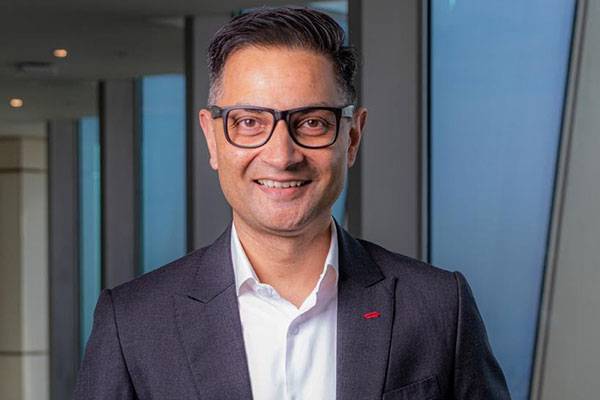
Saj Arshad
Saj Arshad
Global CMO, Vodafone Group
 
Vodafone Group
Michael is highly regarded as a strong leader with superior strategic marketing and communication skills. He led our marketing efforts across 16 countries. Michael did this well with strong cultural sensitivity across markets.

John B Wilson
John B Wilson
President, Staples
 
Staples

FAQs

Agencies execute campaigns. I provide strategic leadership, competitive intelligence, and GTM alignment at the C-suite level.

Primarily 3M-100M B2B tech & telecom companies with 20-800 employees.

Diagnostic assessments can begin within 5-7 days of agreement.